
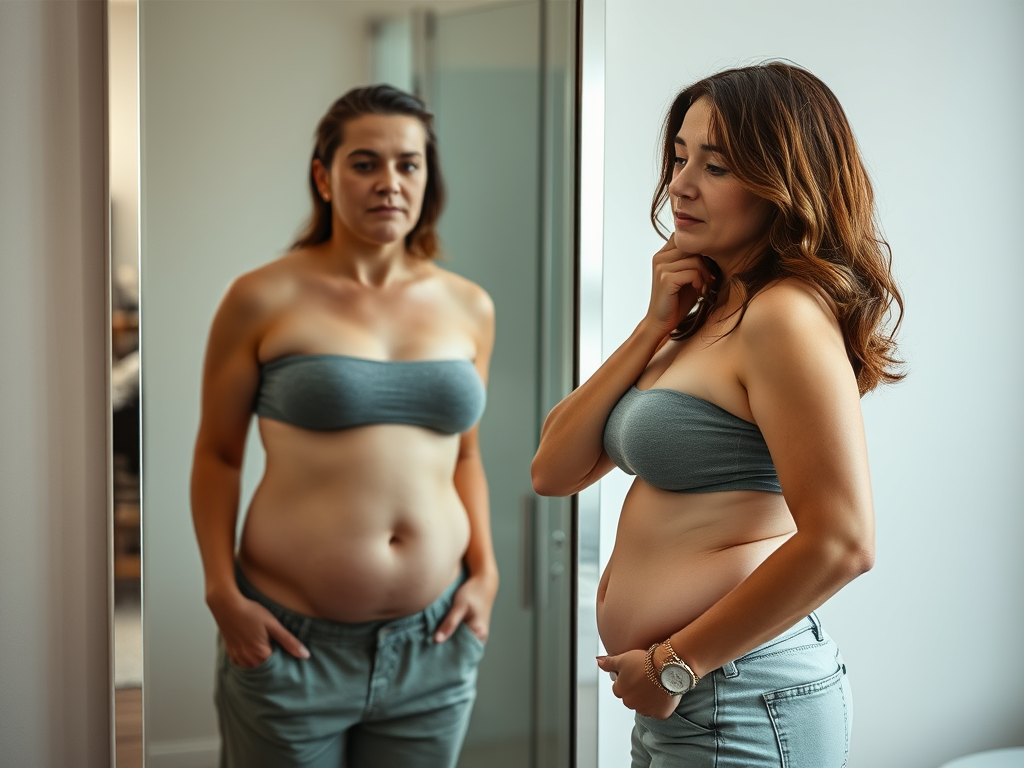
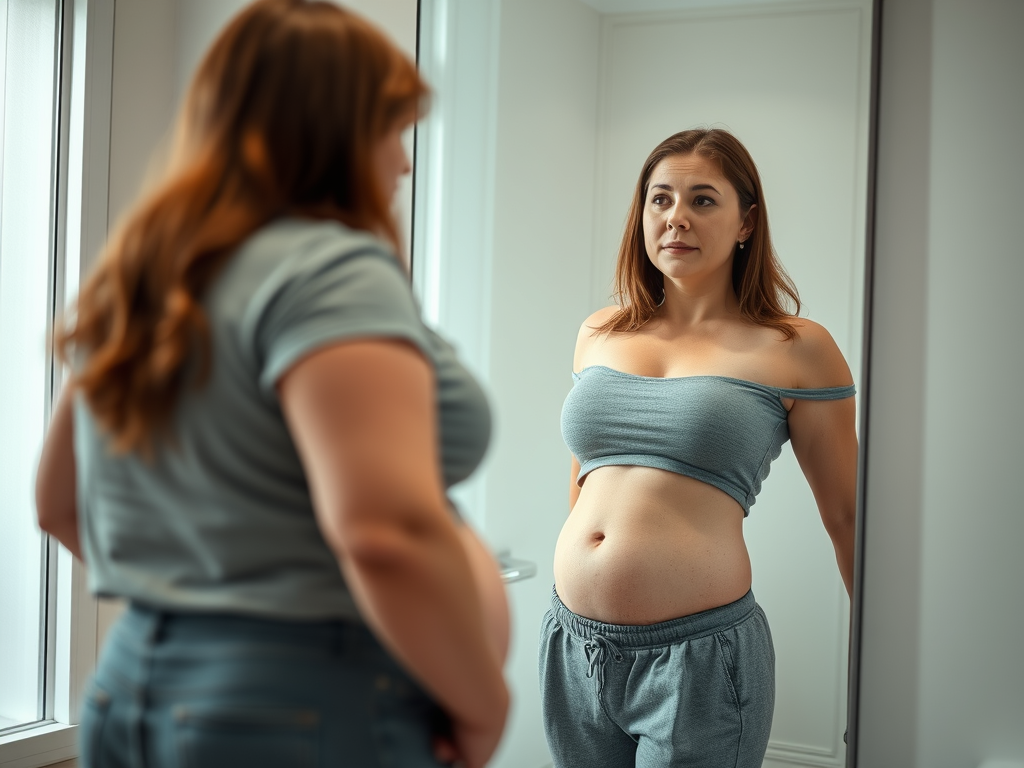
Standing in front of my bathroom mirror six months into my weight loss journey, I felt conflicted. The numbers on the scale showed success—40 pounds gone—but the loose skin gathering around my abdomen told a different story. Why hadn’t anyone warned me about this part?
This moment sent me on a mission to understand how to prevent loose skin during weight loss—not just for myself, but for anyone navigating this challenging aspect of transformation. What I discovered through interviews with dermatologists, countless research hours, and conversations with people who’ve been there changed my approach entirely.
Why Skin Gets Loose During Weight Loss (And Why Nobody Talks About It)
Dr. Elena Michaels was refreshingly honest during our consultation. “The weight loss industry glamorizes before-and-after photos, but carefully selects people with exceptional skin elasticity or edits out loose skin,” she explained while examining the loose skin around my midsection. “The reality is that significant weight loss—especially rapid loss—commonly results in excess skin. But understanding the science can help you minimize it.”
Our skin stretches to accommodate weight gain, thanks to elastic fibers called elastin and the structural protein collagen. When we lose weight, especially quickly, these fibers don’t always snap back. Several factors influence this process:
The speed of your weight loss How long you carried extra weight Your age (skin elasticity decreases over time) Genetics (some people simply have more elastic skin) Sun damage history Smoking history (degrades collagen)
Mark, a 37-year-old who lost 130 pounds over 18 months, shared his experience during a support group meeting: “I was blindsided by loose skin. Everyone celebrates the weight loss, but nobody prepared me for feeling uncomfortable in my new body. Had I known what I know now, I would have approached my journey differently.”
REVOLUTIONARY WEIGHT LOSS BREAKTHROUGH!🔥 Discover the secret that triggers your body’s natural “slim-down mode,” a method celebrities have been using in private! 💪


Pace Yourself: Why Speed Matters More Than You Think
My own weight loss started with a crash diet that helped me drop 15 pounds in the first month. Looking back, this approach likely contributed to my skin issues.
“Think of it like stretching a rubber band,” explained physical therapist Sarah Johnson during one of my appointments. “Stretch it quickly and repeatedly, and it loses elasticity faster. The same happens with skin. A moderate pace—about 1-2 pounds per week—gives your skin more time to adapt.”
This advice is backed by research showing that gradual weight loss allows the skin’s elastic components more time to retract. For someone with 50+ pounds to lose, this longer timeline can feel frustrating, but the long-term skin benefits make a compelling case for patience.
When I adjusted my approach to target one pound weekly instead of rapid results, I noticed the loose skin on my arms actually improved somewhat even as I continued losing weight.
Nutrition That Supports Your Skin from Within
“You can’t supplement your way out of loose skin entirely, but nutrition plays a crucial role in skin health during weight loss,” nutritionist Michael Reed told me while reviewing my food journal.
The most important nutrients for skin elasticity include:
Protein: Essential for maintaining and repairing skin tissue. My protein intake was significantly below recommendations at 0.5g per pound of body weight—Reed suggested increasing to 0.7-0.8g per pound.
Collagen-Supporting Nutrients: Vitamin C is crucial for collagen synthesis. Reed pointed out that my fruit and vegetable intake provided adequate vitamin C, but suggested adding bell peppers and berries for even better support.
Omega-3 Fatty Acids: Support skin membrane health. I wasn’t eating enough fatty fish, so I started incorporating salmon twice weekly and added ground flaxseed to my morning yogurt.
Zinc: Aids in collagen production and tissue repair. Pumpkin seeds, chickpeas, and lean meats became regular features in my meals.
Water: Proper hydration is fundamental for skin elasticity. Reed recommended a minimum of 3 liters daily during active weight loss—significantly more than the 1.5 liters I had been drinking.
“Your body needs these building blocks to maintain skin health during weight loss,” Reed emphasized. “Without them, you’re asking your skin to adapt with insufficient resources.”
I was skeptical about nutrition making a difference, but after three months of following Reed’s recommendations while continuing my weight loss, I noticed improvements in my skin’s appearance and texture, particularly on my neck and arms.
The Muscle Connection: Building What’s Beneath
Two months into my research, I interviewed personal trainer Jason Martinez, who specializes in working with clients who’ve experienced significant weight loss.
“Loose skin is partly an illusion,” he explained during our gym session. “What looks like loose skin is sometimes actually loose skin plus lost muscle tissue underneath. Building that muscle back can fill out the space, making loose skin less apparent.”
Martinez recommended a resistance training program focusing on:
Compound Movements: Exercises like squats, deadlifts, and bench presses that work multiple muscle groups Progressive Overload: Gradually increasing weight to continuously challenge muscles Consistency: At least 3-4 sessions weekly Full Body Coverage: Not just focusing on “problem areas” but building overall muscle mass
“The mistake many people make is doing endless cardio during weight loss,” Martinez noted. “While cardio is important for burning calories, resistance training preserves and builds the muscle that helps your body look toned as the fat disappears.”
Following this advice, I incorporated resistance training three times weekly while continuing my weight loss. After four months, the difference was noticeable—while the skin itself hadn’t dramatically changed, the increased muscle beneath it created a firmer appearance, especially around my shoulders and thighs.
Skin Care Rituals: External Support Matters
Dermatologist Dr. Rebecca Lane dispelled several myths during our consultation. “Creams won’t magically fix loose skin, but proper skincare does support your skin’s health during weight loss,” she explained while examining my current routine.
She recommended these evidence-based approaches:
Retinoids: Prescription-strength retinoids (or over-the-counter retinol) can improve skin thickness and collagen production. I started with a low-concentration retinol cream three nights weekly, gradually increasing to nightly use.
Vitamin C Serums: Applied topically, vitamin C supports collagen synthesis. I incorporated a 15% vitamin C serum each morning.
Hydration: Moisturizers with ceramides and hyaluronic acid help maintain skin barrier function. Dr. Lane recommended CeraVe Moisturizing Cream, which became my twice-daily staple.
Sun Protection: UV damage destroys elastin and collagen. I had been neglecting sunscreen on non-beach days, but switched to daily application of SPF 50.
Exfoliation: Regular, gentle exfoliation promotes cell turnover. Dr. Lane suggested chemical exfoliants like glycolic acid rather than harsh scrubs.
Dry Brushing: While scientific evidence is limited, many practitioners believe dry brushing improves circulation to the skin. I added this to my pre-shower routine.
The most important lesson from Dr. Lane: “Consistency matters more than product expense. An affordable routine you follow daily will yield better results than expensive products used sporadically.”
After six months of consistent skincare alongside continued gradual weight loss, my skin texture and appearance improved noticeably—while not eliminating loose skin entirely, the quality of the skin itself was visibly better.

The Compression Strategy: Support During Transition
Physical therapist Sarah Johnson introduced me to compression garments during a follow-up session. “Compression provides support to loose skin, potentially preventing further stretching during exercise and daily activities,” she explained.
Johnson recommended:
Compression Shirts and Leggings: During workouts to support skin and improve circulation Abdominal Binders: For those with significant loose skin in the midsection Graduated Compression Garments: For limbs with moderate to severe looseness
“Think of compression as scaffolding for your skin while your body adjusts,” Johnson said. “It’s not a cure, but many of my clients find it helps minimize discomfort and may provide support for skin recovery.”
I was initially resistant to the idea of compression wear—it felt like admitting defeat—but the comfort and support I experienced when trying compression leggings convinced me. They became essential for high-impact workouts and days when skin discomfort was more noticeable.
Hydration: The Simplest Solution Most People Ignore
“I review the intake journals of hundreds of weight loss patients yearly, and less than 10% drink enough water,” internist Dr. William Chen told me during our appointment. “Proper hydration is perhaps the most overlooked aspect of skin health during weight loss.”
Dr. Chen explained that well-hydrated skin shows greater elasticity and recovery potential than dehydrated skin. He recommended:
Daily Intake: Minimum of 3 liters of water during active weight loss Consistency: Regular intake throughout the day rather than large amounts at once Electrolyte Balance: Especially important during intensive exercise Monitoring: Using urine color as a guide (pale yellow indicates good hydration)
“Water requirements increase during weight loss,” Dr. Chen emphasized. “Your body needs additional fluid to process the byproducts of fat breakdown and support all systems—including your skin.”
Tracking my water intake revealed I was consuming barely half the recommended amount. When I increased to Dr. Chen’s recommended levels, I noticed improvements in overall skin appearance within just two weeks—while not dramatically affecting loose skin, my skin appeared more vibrant and felt more supple.
The Stress Factor: An Unexpected Connection
Six months into my research, I interviewed psychologist Dr. Rachel Morris, who specializes in body image during weight loss. Her perspective surprised me.
“Chronic stress elevates cortisol, which breaks down collagen and elastin,” she explained. “Many people undergoing weight loss experience significant stress about their changing bodies, creating a counterproductive cycle for skin health.”
Dr. Morris recommended stress management techniques including:
Mindfulness Meditation: Even 10 minutes daily Progressive Muscle Relaxation: Particularly before sleep Adequate Sleep: Aiming for 7-9 hours of quality sleep Social Connection: Maintaining supportive relationships Self-Compassion Practices: Challenging negative self-talk about body changes
“Your skin is an organ that reflects your overall health—including mental health,” Dr. Morris emphasized. “Supporting yourself emotionally during weight loss indirectly supports your skin.”
Incorporating regular meditation and improving my sleep hygiene coincided with improvements in my skin’s appearance and texture—a connection I wouldn’t have made without Dr. Morris’s insights.
Realistic Expectations: The Part No One Wants to Discuss
The most difficult conversation was with plastic surgeon Dr. James Wilson, who specializes in post-weight loss procedures.
“Prevention strategies help significantly, but candidly, there are biological limitations,” he explained during our consultation. “Someone who loses 100+ pounds, carried weight for decades, or has poor skin elasticity due to age or genetics will likely have some degree of loose skin despite perfect prevention strategies.”
Dr. Wilson emphasized that this reality isn’t discussed enough in weight loss communities, leading to unrealistic expectations and unnecessary shame.
“Many of my patients implement all the preventive measures and still need surgical intervention,” he noted. “This doesn’t represent failure—it’s simply the reality of significant physical transformation.”
For those considering surgical options, Dr. Wilson recommended:
Reaching Stable Weight: Maintaining goal weight for at least 6 months Exhausting Non-Surgical Options: Implementing all prevention strategies consistently Consulting Board-Certified Surgeons: Specifically those specializing in post-weight loss procedures Understanding Insurance Coverage: Some procedures may be covered if loose skin causes medical issues
This conversation helped me develop more realistic expectations for my own journey and recognize that some degree of loose skin might remain despite my best prevention efforts.

How to Prevent Loose Skin During Weight Loss: A Comprehensive Approach
After implementing these strategies while losing an additional 25 pounds (for a total of 65 pounds), my results were mixed but encouraging:
Areas with naturally better elasticity (face, lower legs) showed minimal loose skin Areas that had stretched most during weight gain (abdomen, upper arms) still showed moderate looseness Overall skin quality, texture, and appearance improved significantly The combination of muscle gain and improved skin quality created a more toned appearance overall
The professionals I consulted all emphasized a crucial point: prevention is significantly easier than treatment. Starting these practices early in your weight loss journey yields better results than implementing them after loose skin has already developed.
Beyond Appearance: The Functional Importance
My research revealed an aspect of loose skin prevention I hadn’t considered: function, not just aesthetics.
Physical therapist Sarah Johnson explained during our final session: “Significant loose skin can cause practical problems—chafing, rashes, mobility limitations, and discomfort during exercise. Prevention strategies aren’t just about appearance but also about comfort and function in your new body.”
This perspective helped me appreciate the comprehensive benefits of addressing loose skin proactively. The improvements in comfort during workouts and daily activities became as meaningful as the visual changes.
A Personal Approach to Prevention
If there’s one lesson from my journey into understanding how to prevent loose skin during weight loss, it’s that an integrated, individualized approach works best. Each person’s body responds differently based on numerous factors, and strategies that yield dramatic results for one person may produce subtle changes for another.
The most effective approach combines:
Patience with weight loss pace: Giving your skin time to adapt Nutrition supporting skin health: Providing the building blocks for maintenance and repair Resistance training: Building the muscular foundation beneath the skin Consistent skincare: Supporting skin health externally Compression when appropriate: Providing support during transition Proper hydration: Maintaining skin’s fundamental needs Stress management: Supporting overall health including skin Realistic expectations: Understanding biological limitations
Rather than seeking a single miracle solution, success comes from consistent application of these complementary strategies throughout your weight loss journey.
As for me? I’ve made peace with the fact that my 65-pound weight loss journey has left some loose skin that might always be part of my story. But implementing these strategies has significantly improved both the appearance and comfort of my skin compared to where I started—and transformed what could have been a source of regret into evidence of both the challenge I’ve overcome and the knowledge I’ve gained along the way.
WANT TO SHED STUBBORN BELLY FAT QUICKLY? 🔥This is your ultimate solution! Simply mix this flavorless powder into your morning coffee and see the transformation unfold! 💪





 Transform Your Body: Lasting Weight Loss Results
Leave a comment