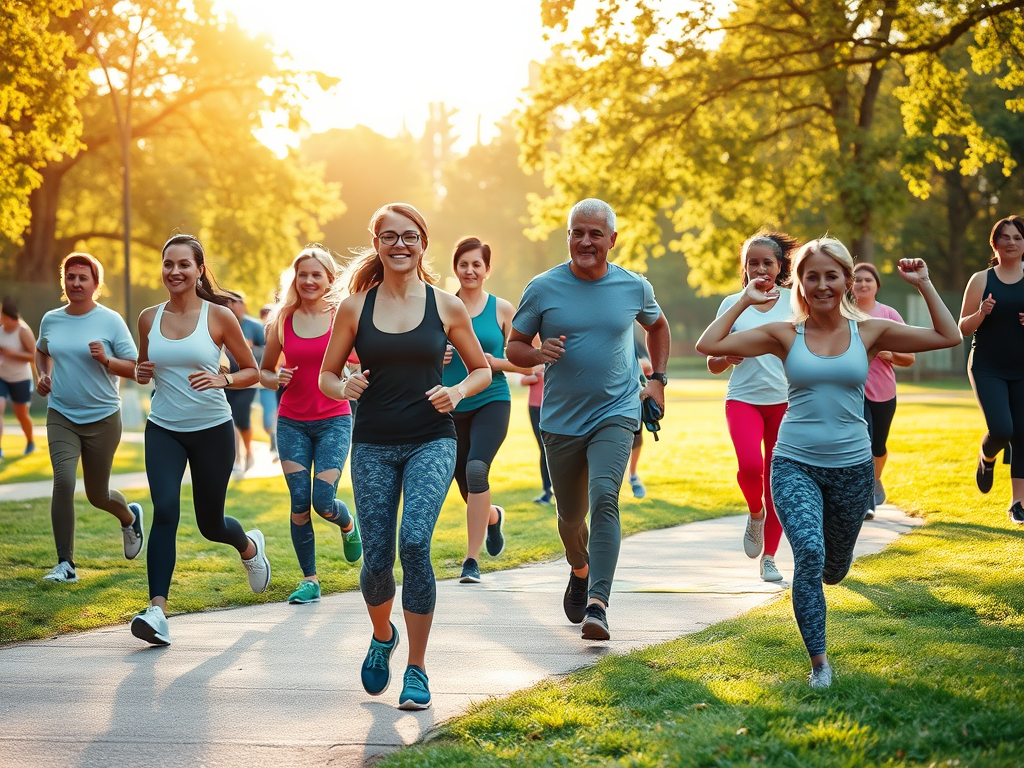
Last summer, I found myself winded after climbing just two flights of stairs to my apartment. That moment—breathing heavily, groceries threatening to slip from my grasp—became my unexpected wake-up call. Like many of us juggling demanding careers and family responsibilities, I’d neglected movement for years. What followed was my messy, non-linear journey into understanding the benefits of physical activity that extended far beyond the superficial goals I initially chased.
The Uncomfortable Truth About Our Bodies
We weren’t built for stillness. I realized this one afternoon while watching my 4-year-old niece play—she hadn’t stopped moving for hours, climbing, jumping, and running with pure joy. Meanwhile, I’d spent another day hunched over my laptop, shoulders aching from barely moving at all.
Our ancestors walked miles daily, carried heavy loads, climbed, and stretched as part of everyday survival. My grandfather, a farmer who never set foot in a gym, remained strong and agile well into his 80s simply through his daily work. Yet here I was, with every modern convenience, feeling decades older than my actual age.
When I finally committed to movement, the changes surprised me. Yes, my body grew stronger, but more striking were the mental shifts—clearer thinking, improved mood, and a strange new feeling: actually looking forward to physical effort rather than dreading it.
REVOLUTIONARY WEIGHT LOSS BREAKTHROUGH!🔥 Discover the secret that triggers your body’s natural “slim-down mode,” a method celebrities have been using in private! 💪


Why Exercise Is an Important Component of Good Physical Fitness
“But I hate exercise!” I told my friend Sarah, a personal trainer who patiently listened to my complaints.
“So did I, until I understood what we’re really doing,” she replied. “Exercise isn’t punishment—it’s reconnection.”
This perspective shift changed everything. Physical fitness isn’t just about appearance; it’s about building a body that serves you reliably through decades of life. Regular exercise is an important component of good physical fitness because it systematically strengthens the various systems that keep us functioning optimally.
My cardio sessions (which started as humbling 5-minute walk/run intervals) gradually strengthened my heart, improving how efficiently oxygen circulated through my body. Months later, those same stairs that had left me gasping barely registered as effort.
Strength work—initially just bodyweight movements like modified push-ups and squats—built muscle tissue that protected my previously vulnerable joints. The chronic back pain I’d written off as “just part of getting older” began fading within weeks.
But perhaps most surprising was how stretching and mobility work transformed my daily comfort. Things I’d taken for granted, like being able to look over my shoulder while driving or reaching high shelves, became easier again.
How Is Physical Activity Different From Exercise
One question transformed my approach: how is physical activity different from exercise? The distinction unlocked a whole new perspective.
During a particularly hectic work week when I couldn’t make it to any formal workouts, my activity tracker showed I’d barely moved. This realization led me to experiment with building movement into everyday life rather than segregating it to dedicated “workout time.”
I started taking phone calls while walking, choosing stairs over elevators, and parking deliberately far from entrances. I set hourly reminders to stand and stretch. These movements—what researchers call non-exercise activity thermogenesis or NEAT—collectively burned more calories than my structured workouts and improved my energy throughout the day.
My neighbor Judith, 72, never “exercises” in the conventional sense but remains one of the most active people I know. She gardens daily, walks everywhere possible, dances weekly, and plays with her grandchildren on weekends. Her functional fitness puts many gym regulars to shame, demonstrating that consistent, varied movement often proves more valuable than isolated exercise sessions.
Creating My Own Functionally Active Fitness Routine
The fitness industry bombards us with complex programs promising incredible transformations, but what actually worked for me was much simpler. After several abandoned complicated routines, I finally built a functionally active fitness approach that addressed my specific needs and constraints.
Rather than focusing on aesthetic goals, I prioritized movements that would make daily life easier—strengthening my back to reduce pain during computer work, improving leg strength for hiking vacations I’d always wanted to take, and building shoulder mobility to comfortably reach overhead shelves.
My friend Miguel, a physical therapist, helped me understand that consistency matters infinitely more than intensity. “The body responds to what you do regularly, not what you do occasionally,” he explained. Going to the gym 3 times a week consistently yields better results than sporadic intense training followed by complete inactivity—something my previous all-or-nothing approach had never acknowledged.
I created “minimum viable workout” options for busy days—just 10 minutes of basic movements—removing the excuse that I didn’t have enough time. These abbreviated sessions maintained momentum on days when longer workouts weren’t possible, proving far more effective than my previous pattern of abandoning exercise completely during busy periods.
How Can You Keep Your Muscles Healthy?
“You’re losing about 3-5% of your muscle mass every decade after 30 unless you actively work to maintain it,” my doctor explained during my annual physical. This sobering fact motivated me to learn more about muscle preservation.
So how can you keep your muscles healthy long-term? The answer extends beyond occasional workouts to encompass several interconnected factors:
Regular resistance training provides the stimulus muscles need to maintain or grow. This doesn’t necessarily mean heavy weights—my 68-year-old mother maintains impressive strength through bodyweight exercises and resistance bands, proving that sophisticated equipment isn’t required.
Protein timing and distribution matter more than I realized. After reading research showing that evenly distributing protein intake throughout the day optimizes muscle maintenance, I restructured my meals to include quality protein sources at each one rather than loading most at dinner as I’d previously done.
Sleep quality directly impacts muscle recovery and growth. During one particularly stressful month when my sleep suffered, my strength plateaued despite consistent training. Once I prioritized sleep hygiene—regular schedule, cooler bedroom, reduced evening screen time—progress resumed.
Recovery isn’t just passive rest but active regeneration. Adding gentle movement on rest days—walking, swimming, or yoga—improves circulation to recovering muscles without overtaxing them. This approach eliminated the stiffness I previously experienced between workout sessions.
The Benefits of Physical Activity Socially
The most unexpected aspect of my fitness journey was discovering the benefits of physical activity socially. As someone who had always exercised alone (when I exercised at all), joining a Saturday morning hiking group transformed not just my weekends but my entire social circle.
Research confirms what I experienced firsthand: interacting with others while exercising is beneficial on multiple levels. The conversations and shared experiences distract from discomfort during challenging portions, making harder efforts feel easier. The accountability of knowing others expect your presence helps overcome the inertia that kept me on the couch many mornings.
Beyond improved exercise adherence, these connections enriched my life in ways I hadn’t anticipated. My hiking group evolved from fitness accountability partners to genuine friends. We’ve celebrated birthdays, supported each other through job transitions and family challenges, and traveled together—relationships that would never have formed had I kept exercise strictly solo.
Even my solo weekday runs became less isolated after I joined a running app community where local participants encourage each other’s efforts. This light-touch social connection provides motivation without requiring synchronized schedules.
These social aspects create a positively reinforcing cycle: the relationships make movement more enjoyable, which increases consistency, which improves fitness, which makes movement even more enjoyable. This virtuous cycle stands in stark contrast to the punishment-reward relationship with exercise I’d previously experienced.

Everyday Lifestyle Choices Affect Your Physical Fitness
While dedicated movement sessions matter, I’ve learned that everyday lifestyle choices affect your physical fitness more profoundly. The cumulative impact of decisions made dozens of times daily ultimately shapes your health trajectory more than formal exercise alone.
My personal experiment with tracking decisions for a typical week revealed uncomfortable truths about my patterns. Despite regular workouts, I was sedentary nearly 95% of my waking hours. I unconsciously chose convenience over movement repeatedly—driving short distances I could easily walk, using delivery services to avoid errands, taking elevators instead of stairs.
Nutritional choices either supported or undermined my activity. After tracking my eating patterns alongside energy levels, the connection became undeniable. Protein-poor, processed food lunches invariably led to afternoon energy crashes and skipped workouts, while balanced meals containing protein, complex carbohydrates, and healthy fats sustained energy for afternoon activity.
Sleep quality emerged as perhaps the most critical factor. During weeks with consistent 7+ hour nights, my workout quality, motivation, and recovery all improved measurably. During sleep-deprived periods, even maintaining basic movement became challenging.
Stress management practices—whether formal meditation or simply building transition time between activities—significantly impacted my movement consistency. High-stress periods without adequate management strategies inevitably led to abandoned workouts and comfort eating, creating a negative spiral that became increasingly difficult to interrupt.

Working Out Pros and Cons: My Personal Experience
After maintaining consistent activity for over a year, I’ve experienced both the benefits and challenges firsthand. Understanding these working out pros and cons helps create realistic expectations.
Among the pros I’ve personally experienced: significant energy improvement, particularly in the afternoons when I previously struggled; better sleep quality, falling asleep faster and waking less frequently; reduced anxiety, with movement serving as an effective stress release valve; improved confidence in my body’s capabilities rather than just its appearance; and meaningful social connections through activity-focused groups.
The challenges proved different than I’d anticipated. Time management remains an ongoing puzzle, requiring regular calendar defense against competing priorities. Financial considerations shape my choices—home equipment and outdoor activities help control costs compared to studio classes or gym memberships. Occasional motivation dips still occur, particularly during schedule disruptions like travel or illness, requiring pre-planned strategies to maintain momentum.
Perhaps most surprising was discovering that exercise isn’t always enjoyable in the moment—sometimes it’s simply work—but the post-activity feeling consistently rewards the effort. This realization removed the pressure that I should always “love” exercise and allowed a more sustainable relationship with movement.
When Active Lifestyle Fitness Became My New Normal
The gradual transition from “exercising” to simply living actively happened almost imperceptibly. Six months into my journey, I noticed I no longer deliberated about whether to move—activity had become my default setting.
This shift from effortful choice to habitual behavior marks the transition from temporary behavior change to lifestyle transformation. The psychological research on habit formation explains why this occurs: repeated behaviors in consistent contexts eventually trigger automatically without conscious deliberation.
Small environmental adjustments supported this transition. Keeping running shoes by the door, storing resistance bands in my desk drawer, placing a yoga mat permanently unrolled in my spare room—these friction-reducing strategies made movement the path of least resistance.
Identity shift proved even more powerful than environmental cues. As I gradually began thinking of myself as “someone who moves regularly” rather than “someone trying to exercise more,” consistent activity aligned with my self-image, creating internal motivation that didn’t require constant willpower depletion.
When travel or illness interrupts my routine now, returning to regular movement feels like reconnecting with my authentic self rather than forcing unwelcome discipline. This intrinsic motivation creates sustainability that external rewards or fear-based motivation never provided.
The Benefits of Health and Wellness Beyond the Physical
While improved fitness brought expected physical benefits, the benefits of health and wellness extended into dimensions I hadn’t anticipated. Mental clarity improved noticeably, particularly during challenging work projects requiring sustained focus. Emotional resilience increased—I found myself recovering more quickly from stressful events and maintaining perspective during difficulties.
My friend Elena, a psychologist, explained this connection: “Physical movement creates a release valve for stress hormones while stimulating production of brain-derived neurotrophic factor, which supports cognitive function and emotional regulation. It’s not just feeling better because you know you ‘should’ exercise—these are measurable neurobiological changes.”
Social wellbeing improved through both activity-specific connections and greater energy for existing relationships. With chronic fatigue no longer limiting my social capacity, I engaged more fully with friends and family.
Perhaps most meaningful was the increased sense of agency—the feeling that I could influence my health trajectory rather than passively accepting decline. This psychological benefit extended beyond physical health into other life domains, encouraging proactive approaches to challenges rather than resignation.
For anyone beginning this journey, focusing exclusively on physical changes misses these equally valuable dimensions. The holistic improvements across life domains provide motivation far more sustainable than aesthetic goals alone.
Regular Exercise Is Positively Related to Wellness: True or False?
Early in my fitness journey, I wondered whether the claimed benefits of regular activity were exaggerated. Was the assertion that regular exercise is positively related to wellness true or just clever marketing?
A year of personal experience combined with diving into research has convinced me: unequivocally true. The evidence extends far beyond weight management or cardiovascular health to impact nearly every dimension of human functioning.
My 65-year-old uncle provides compelling personal evidence. After his diabetes diagnosis, he began walking daily and strength training twice weekly. Six months later, his blood glucose normalized, blood pressure medication was reduced, sleep apnea improved, and chronic joint pain decreased. More striking than these measurable changes was his transformed outlook—from resignation about “getting old” to excitement about future possibilities.
Research supports these individual experiences at population scale. Studies consistently show physically active individuals experience lower rates of chronic disease, better cognitive function with aging, reduced depression and anxiety, and higher self-reported quality of life.
The most compelling evidence for me was experiencing these changes firsthand. The sense of limitation that had gradually narrowed my horizons through my 30s has reversed. Activities I’d reluctantly abandoned—hiking challenging trails, dancing for hours, spontaneous physical play with children—have returned to my life, expanding my sense of possibility.
Exercise Care: Building Movement That Sustains
The sustainability of any approach ultimately determines its value. Through considerable trial and error, I’ve learned that exercise care—thoughtful attention to creating movement patterns that nourish rather than deplete—matters more than any specific workout program.
This means honoring your body’s current capabilities rather than forcing it into activities it’s not prepared for. My previous all-or-nothing attempts inevitably led to injury or burnout. Starting with appropriate intensity and progressing gradually has allowed consistent improvement without setbacks.
Balancing different movement types creates comprehensive fitness while preventing overuse injuries. My current approach includes strength work, cardiovascular training, mobility/flexibility, and recreational activities, with the proportions shifting based on energy levels, interests, and seasonal opportunities.
Everyday help in maintaining consistency comes from both planned and spontaneous strategies. Scheduled movement sessions provide backbone structure, while opportunistic movement—taking walking meetings, choosing active recreation, dancing while cooking—adds volume without requiring additional dedicated time.
Learning to distinguish productive discomfort from warning pain has prevented numerous injuries. Understanding that growth occurs at the edge of capacity while respecting limits that signal potential harm has allowed effective training without unnecessary setbacks.
Perhaps most importantly, approaching movement with self-compassion rather than rigid judgment transforms the experience. On lower energy days, I’ve learned to adjust expectations rather than abandon activity completely, maintaining momentum through modified sessions rather than the all-or-nothing approach that previously derailed my efforts.
My journey from breathless on stairs to comfortably active didn’t follow a straight line—it included plateaus, setbacks, and numerous adjustments. The path forward remains imperfect but progressively rewarding, offering expanding capability rather than the contraction that inactive aging inevitably brings.
The most valuable fitness journey isn’t the one that transforms your appearance most dramatically—it’s the one you sustain for decades, accumulating thousands of hours of life-enhancing movement that collectively reshape your health trajectory and daily experience of living in your body.
WANT TO SHED STUBBORN BELLY FAT QUICKLY? 🔥This is your ultimate solution! Simply mix this flavorless powder into your morning coffee and see the transformation unfold! 💪







 Transform Your Body: Lasting Weight Loss Results
Leave a comment